
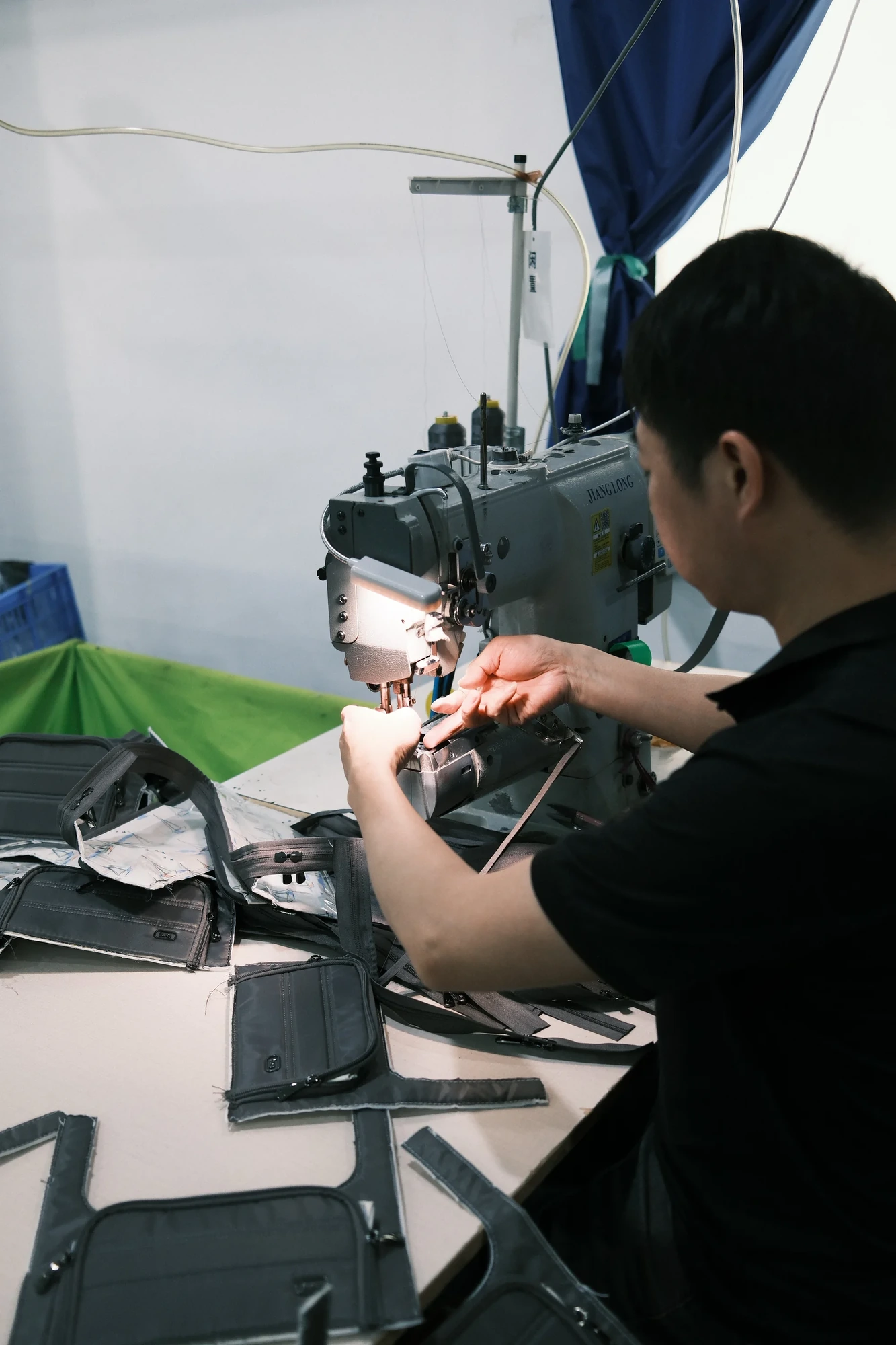
An existing bag is a strong starting point
A new manufacturer can often use an existing physical bag as a development reference, but feasibility must be reviewed for the particular product. For a brand with an established design, the question is how to preserve the features customers value while establishing a workable production route with another partner.
A physical sample helps communicate overall structure, dimensions, carrying function, access, appearance and branding. It also gives the sample team something to examine and compare. ProtoBag Studio only assists with products the client owns or is authorised to produce; another brand's retail product is not permission to copy its design.
Explain what the sample does not tell us
The bag shows the finished result, but it does not necessarily identify the exact fabric source, internal reinforcement, tooling ownership or material specification. A worn sample may also differ from the product as originally approved. Tell us whether it represents the intended standard or illustrates a problem you want to resolve.
Available dimensions, material records, product photographs and previous approval notes help close these gaps. A complete Tech Pack is useful, especially when several styles are involved, but you do not need to recreate a full documentation package just to request an initial assessment. Start with the records you have and identify the missing information.
Why an exact reproduction cannot be promised
Manufacturers work with different material sources, components, machinery, construction methods and production conditions. The original supplier may have used a custom component or a fabric that is no longer available. Even a similar-looking material can affect the way a bag holds its shape or feels in use.
A responsible review identifies which characteristics must remain consistent and which alternatives can be considered. Proposed changes should be documented and evaluated through sampling. Neither photographs nor an early discussion can establish a guaranteed match, price or delivery date.
Keep improvements within a defined scope
A supplier transition can be a useful opportunity to address an awkward opening, a recurring wear issue or a detail customers regularly mention. Distinguish these changes from the parts of the design that should remain stable. Otherwise a transfer of an existing product can gradually become a new development project.
Customisation options depend on product structure, materials, project scope and production feasibility. Selected adjustments may be possible, but the effect on sampling, components and production needs to be assessed together. Keep the first review focused on the outcome you need rather than an extensive list of technical options.
Move from reference to an approved production direction
The initial assessment establishes what can be understood from your sample and which questions remain. A confirmed paid sampling scope then allows a physical version to be developed and reviewed. Your team checks it against the agreed reference and any approved changes before production planning is finalised.
Record the approved version clearly so the sample, written comments and production discussion refer to the same product. MOQ depends on the product, materials, customisation and production requirements. A new supplier may therefore have different commercial conditions even when the intended bag design remains familiar. See our guide to planning the supplier transition.
Prepare a product review, not a copying request
Share clear photos, your current sample if available, dimensions, intended quantity range, delivery needs and the features that must be retained. Tell us what rights you hold and whether you want a transfer, a second supplier or selected improvements.
ProtoBag Studio coordinates sample development and production support through our Munich contact and China-side production team. Review our sample work and supplier assessment guide, then send your existing product for an initial discussion.